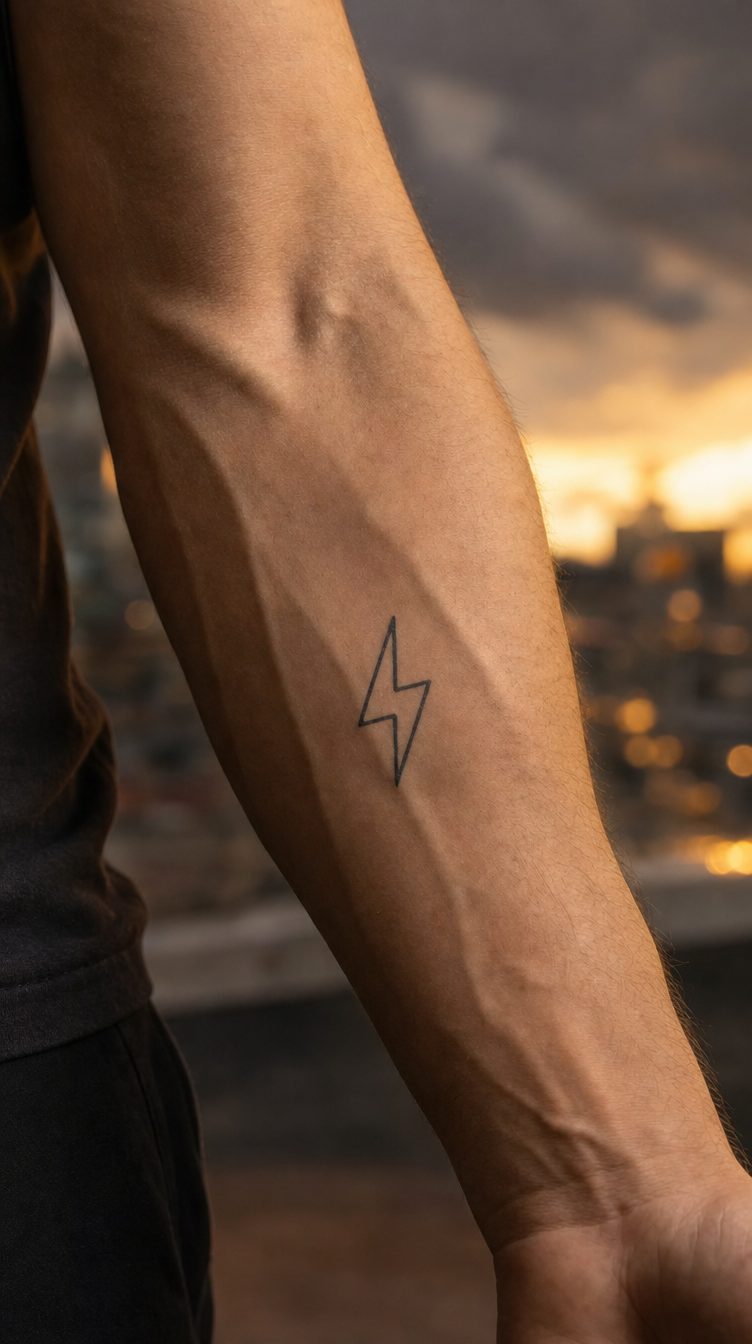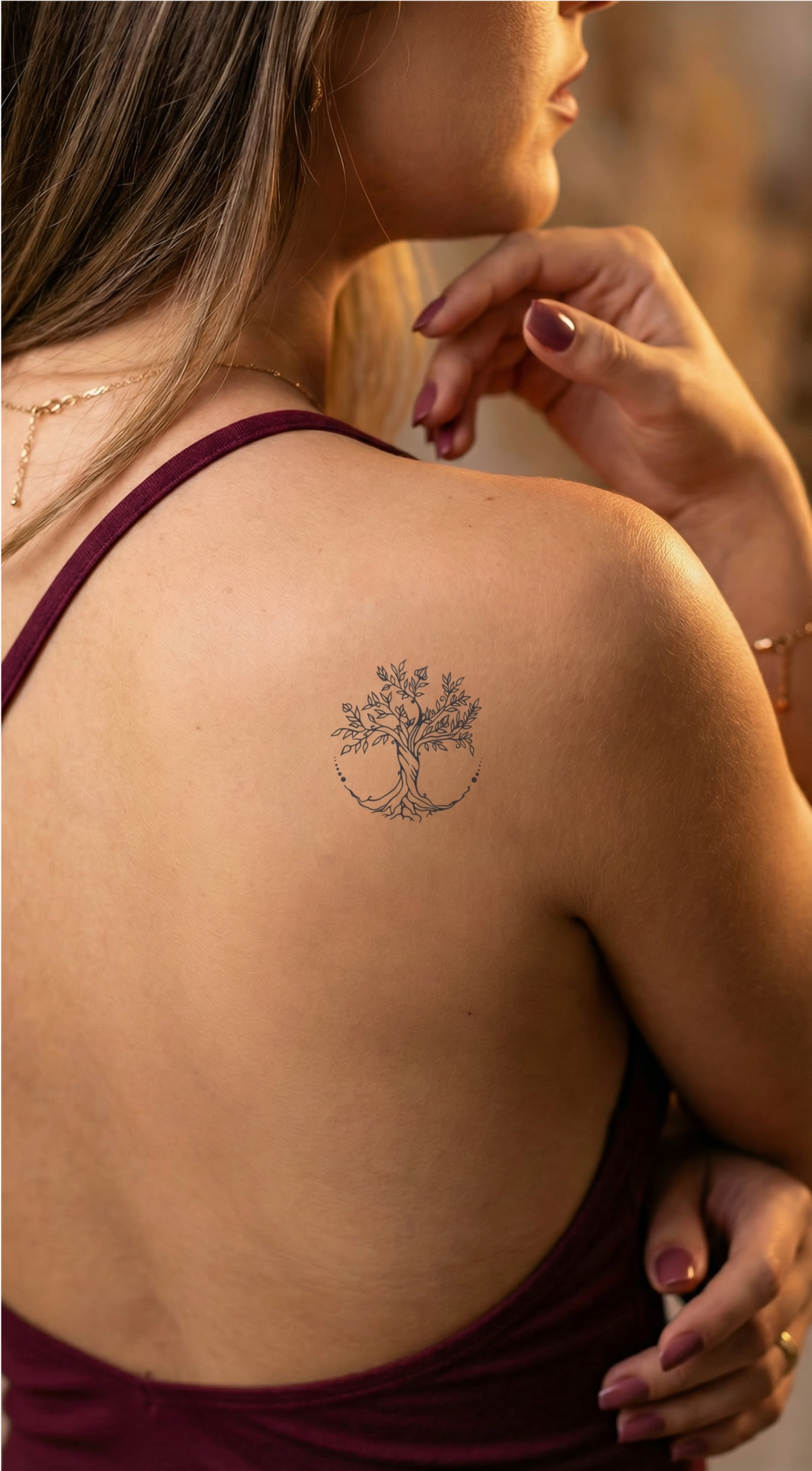

When you’re looking for a tattoo that symbolizes freedom, there isn’t one single “right” motif: there are several established symbols — birds in flight, wings and feathers, dandelions, the compass or the wave — and each came to mean this for a concrete reason, not just because it sounded good on a list of ideas. The guide below takes you through these motifs one by one, briefly explains where the meaning of each comes from, and helps you get closer to the symbol that fits your own reason for getting this tattoo, not just the label “freedom.”
- Flight reads as freedom because it gives birds access to food, breeding grounds and migration routes that other animals cannot reach in the same way.
- Wings and feathers have both a physical explanation (the structure of a feather) and distinct cultural significance, from Native American tribes to Scottish clans — they deserve to be treated with context, not just as decoration.
- The dandelion and the compass point to a more personal kind of freedom: one is about letting something go, the other about choosing your own direction.
- Placement matters almost as much as the motif you choose: an area you see every day conveys the message differently from one you can easily cover.
Which symbol of freedom is actually right for you?
“Freedom” doesn’t mean the same thing to everyone looking for this tattoo. For some, it’s about independence and answering to no one; for others, it’s about travel and movement; and for others, it’s about coming through a difficult period and marking that moment. Different reasons call for different symbols, and each motif discussed below has a concrete story behind it, not just the generic label “freedom” attached to any image that seems fitting.
Birds and flight: the most direct symbol of freedom
Of all the possible motifs, flight is the easiest to understand: a bird chooses its own path, crossing any boundary or obstacle on the ground, making it the most direct visual symbol of unrestricted movement. It also has a concrete basis — flight gives birds access to food, breeding grounds and migration routes that land animals cannot reach in the same way, and allows them to escape predators quickly (source: Bird flight, Wikipedia). That’s why the connection between flight and the idea of unrestricted movement isn’t just a poetic metaphor; it describes exactly what flight makes possible for a bird.
As a tattoo design, a distant flock, a single bird captured mid-flight or a silhouette reduced to simple lines all work equally well as a starting point — the choice has more to do with how discreet or visible you want the symbol to be than with any fixed rule about how a bird “should” be drawn.
If you want a particular eagle, swallow or flock
If you’ve already settled on a particular species, it’s worth reading the dedicated guide: the eagle carries an additional layer of meaning related to power and vision, explored in depth in the article about the meaning of an eagle tattoo, while everything related to flocks, migration and the general symbolism of birds is explained in more detail in the guide to bird tattoos. To see more bird designs in the catalog, you can also browse the Temporary Bird Tattoos collection and see what silhouettes and compositions are already available.
Wings and feathers: from cultural symbol to your own design
A feather flies because its barbules interlock like a zipper, forming a surface that is lightweight and still strong enough to withstand air pressure (source: Feather, Wikipedia). This structural detail explains why the feather became, almost universally, a symbol of lightness and letting go — it’s not just a beautiful shape, but represents the very mechanism that makes flight possible.
Beyond biology, feathers have also carried their own meanings in different cultures, and these deserve context rather than a simple decorative association. Among Native American tribes, eagle and hawk feathers have spiritual significance and are regulated by law in the United States today, precisely because they are not just an accessory (source: Feather, Wikipedia). In the Scottish Clan Campbell tradition, the number of feathers worn on a bonnet marked the rank of the wearer — three for clan chiefs, two for branch leaders and one for armed clan members (source: Feather, Wikipedia). These examples show how the same natural element acquired very different meanings depending on the culture, not universal rules you can apply to any feather design.
Among the designs in the InkLabs catalog built directly around this idea, the Freedom design uses double wings as a symbol of freedom and elevation, according to the product description. It’s a concrete starting point if you want to see how the motif looks on your own skin before thinking about anything more permanent.

If wings and feathers as a theme interest you more than a single design, the dedicated guide to wing tattoos explores their meanings related to freedom, memory and protection in detail.
The dandelion: the desire to let something go
The dandelion works differently from an imposing symbol like the eagle: it’s small, discreet and connected to a familiar gesture. In Western tradition, you blow on a mature dandelion puff and make a wish as the seeds drift away on the wind (source: Dandelion, Wikipedia) — a culturally transmitted custom, not a universal tradition or scientific evidence of any power of the flower.
There’s also a concrete basis for the image of release: most dandelion seeds fall close to the parent plant, but some manage to travel more than a kilometer on the wind, and in rare cases even as far as 100 kilometers (source: Dandelion, Wikipedia). This kind of detail explains why the dandelion fits the idea of “letting something go” better than the independence or active travel represented by other motifs on the list. If this meaning suits you better than flight or the compass, the article dedicated to dandelion tattoos explains in depth the connection between this motif, wishes and the idea of leaving something behind.
The compass: the freedom to choose your own path
The compass brings a different kind of freedom: it’s not about escaping something, but about choosing your own direction. The first decorative compass rose appeared in the Catalan Atlas of 1375 and has remained a visual reference for map orientation ever since (source: Compass rose, Wikipedia). Today, the motif is just as often used outside navigation as a symbol of exploration and a path chosen deliberately, rather than imposed by circumstances.
If what draws you is travel and wanderlust rather than the compass itself, the dedicated guide to travel tattoos also covers planes, maps and other symbols in the same vein.
The wave: a less obvious kind of freedom
The wave doesn’t have a documented historical tradition as a symbol of freedom, unlike the other motifs above, and it’s important to say this clearly rather than invent a story. Most people who choose this motif simply do so for the movement and distance it suggests visually — water that recedes and returns, never staying in the same place. As a curved line, it adapts well to the wrist, collarbone or ankle, where it can remain a discreet element rather than a dominant design.
How to choose the right placement and test a design before getting a permanent tattoo
Everyday visibility is the first thing to consider, whatever motif you choose. The wrist or ankle is often visible, in summer clothes or at the office, while the shoulder blade or ribcage remains easy to cover with an ordinary shirt. There’s no “right” answer here — it just depends on how public you want the message to be.
The shape of the motif matters just as much as its placement. A wing or a wave behaves differently on a curved area, such as the shoulder blade or ankle, than on a flat one, such as the inner forearm, because the design’s lines follow the contours of the skin. For this reason, it’s worth seeing exactly how your chosen design looks on your own skin, in the area where you’d wear it, before making any decision about a permanent tattoo.
This is where a temporary or semi-permanent tattoo design comes in: it helps you assess the size, placement and how the design moves with your skin, but it doesn’t predict healing, pain or exactly how the same motif would look as a permanent tattoo — these are different things, and a design test doesn’t replace a conversation with a tattoo artist about them. If you’re only now seriously considering your first tattoo, the guide to choosing the right design and placement goes into this decision-making process in more detail.
Conclusion: choose the symbol, not just the word “freedom”
The right motif is the one that matches your own story — independence, travel, a chapter closed or simply a direction you chose yourself — not necessarily the most popular design in the collection. If the wings have convinced you, the Freedom design is a concrete starting point; if you identify more with another symbol on the list, the Temporary Symbol Tattoos collection gives you more options to compare. The next practical step is the same whatever the motif: try the chosen design on your own skin, in the area where you’d actually wear it, before considering any permanent decision.