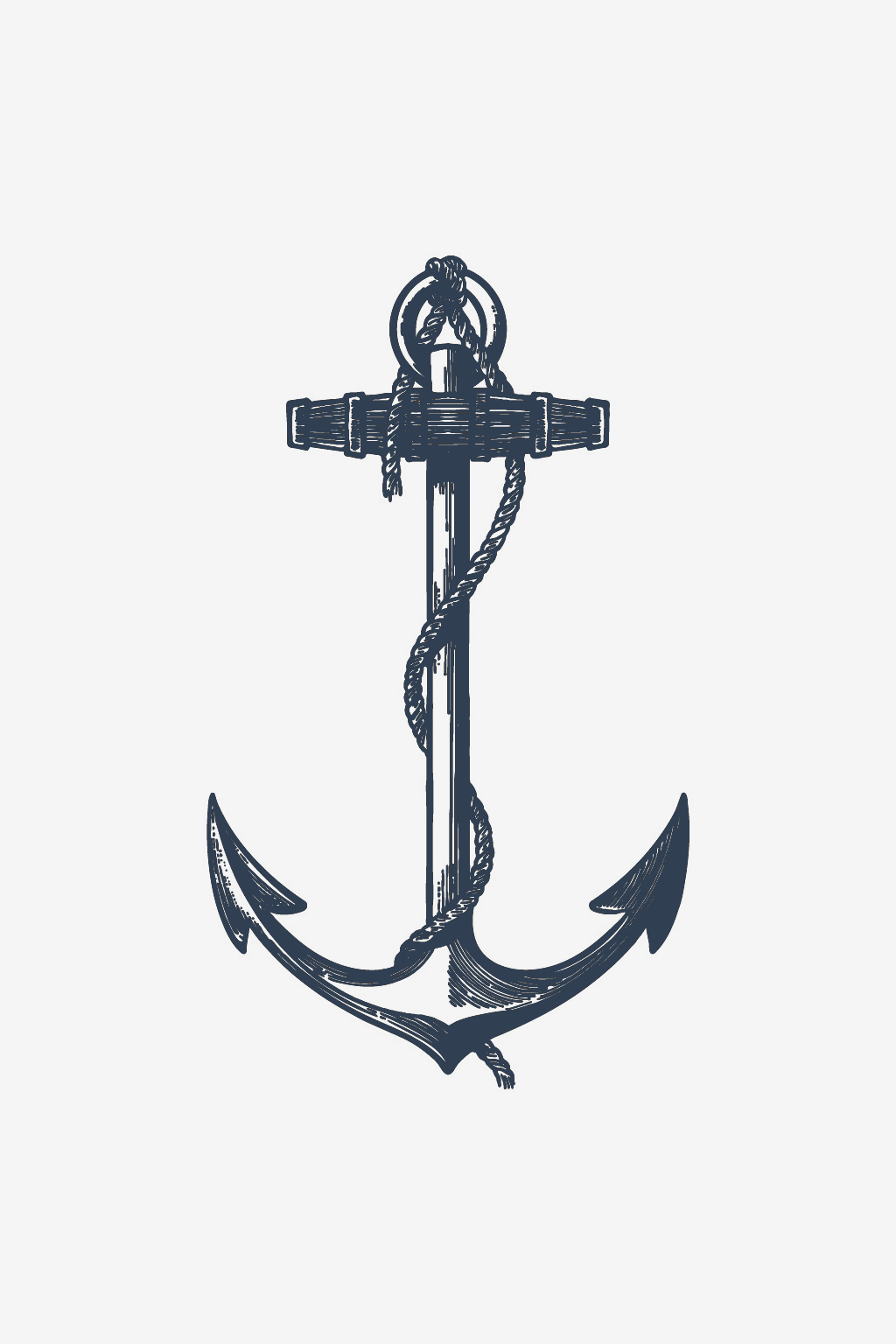

When you search for "men's arm tattoos," you usually already have an area in mind, but not the vocabulary that helps you choose exactly what you want. The upper arm, from shoulder to elbow, is not one uniform surface: depending on how high you place the tattoo and how you shape it, there are three different types of compositions — the biceps armband, the shoulder cap and the upper half sleeve. Each has its own rules of form and its own way of behaving on skin, and making the right choice starts with understanding what each one means, not with choosing a design first and only then deciding where to put it.
- A biceps armband goes all the way around the arm, so the design needs to meet itself on the opposite side.
- A shoulder cap covers the rounded part of the shoulder (the deltoid), where rigid shapes distort visually more easily than organic ones.
- An upper half sleeve connects the shoulder and biceps in a single composition, with a focal point and a clear stopping point.
- Before making any final decision, you can see a design's size and placement right on your arm using a temporary or semi-permanent option.
What exactly does "arm tattoo" mean for men?
Anatomically, the upper arm is the segment between the shoulder joint and the elbow joint, and the biceps brachii muscle extends across the front of this area, between those same two joints. In practice, everything we discuss in this article — the armband, shoulder cap and half sleeve — is placed within this area. The area below the elbow, the forearm, has completely different anatomy and different placement rules, which is why we cover it separately in our dedicated guide to men's forearm tattoos. If you prefer an overview of the entire arm, from shoulder to wrist, our article on temporary arm and forearm tattoos covers the whole picture, while men's tattoos: full-body designs puts the arm in the context of a larger composition for anyone considering an extensive project across the whole body, not just the arm.
The biceps armband: a design that goes all the way around the arm
An armband is not simply a design placed on one side of the arm, but a pattern designed to go all the way around, so that its ends meet on the opposite side. For this reason, the upper part of the biceps is the classic place for an armband: it stays completely covered by the sleeve of an ordinary T-shirt, but is immediately visible when you wear a sleeveless shirt or tank top. The width of the band and the exact point where the two ends meet matter just as much as the chosen design, because they directly affect how it looks once wrapped around the arm, not just how it looks on paper.
What kinds of designs work well as an armband?
Linear designs with a continuous path that can be followed from point to point without interruption are the most natural fit for this format, because the design can be built directly around the curve of the arm. 
The shoulder as its own area: shoulder cap tattoos
A shoulder cap sits directly over the deltoid, the rounded muscle that covers the top of the shoulder. The pronounced curve in this area changes how a design reads: perfectly straight geometric shapes tend to distort into uneven outlines on a rounded surface, while organic designs with curved or flowing lines naturally follow the contour of the shoulder and keep their proportions. In practice, a shoulder cap remains visible if you wear a tank top or sleeveless shirt, but disappears completely under a regular short- or long-sleeved shirt — a useful detail to consider if discretion at work matters to you; our guide to discreet tattoos for men goes into more detail on this topic.
Half sleeve: from the shoulder to just above the elbow
An upper half sleeve starts at the shoulder and extends down to just above the elbow, staying completely covered by an ordinary short sleeve. Unlike an armband or shoulder cap, which are relatively standalone compositions, a half sleeve needs real structure: a clear focal point and a place where the composition deliberately ends, not a random collection of designs placed side by side. In practice, many half sleeves combine an element anchored on the shoulder with one that partially wraps around the biceps, connected by a common visual thread — color, line style or a recurring theme — so that the eye reads the whole area as one piece, not several adjacent tattoos.
For this type of composition, an illustrative design with several connected symbolic elements is often a better fit than a single, standalone motif. 
How to choose the right style for the area of the arm
The biceps changes in volume more than other areas of the arm as the muscle develops over time, and thick lines and flowing shapes keep their appearance in this area better than fine, rigid details in a strictly geometric style. This doesn't mean that a geometric style is out of the question for the arm, but it is worth considering the exact area: on a relatively flat surface, such as the side of the biceps or triceps, fine geometry remains visually stable; on the curve of the shoulder or an area subject to changes in volume, thicker lines and organic shapes are more likely to look good over time.
A second criterion, just as important, is how visible you want the tattoo to be with the clothes you wear every day. An armband stays hidden under a short sleeve, a shoulder cap is visible only without sleeves, and a half sleeve falls somewhere in between, depending on how far down the arm it extends. Once you've settled on the area and the desired level of visibility, choosing a style becomes easier: a linear, elongated design for an armband, a rounded or organic motif for a shoulder cap, and a single, flowing composition for a half sleeve.
How to test a design before making a final choice
A temporary or semi-permanent tattoo shows you exactly how a design you're considering looks on your own arm, at the size and in the place where you actually want to wear it, before you make a permanent decision. You can directly compare, for example, how a design intended as a biceps armband compares with a rounder design placed as a shoulder cap, wearing them one at a time or even simultaneously on opposite arms, and you can see how each responds to movement and different outfits over the course of a few days. This test shows only the design's size, shape and placement on the skin — it doesn't predict the pain, healing or exact appearance of a permanent tattoo done later, which depend on a different technique and other factors.
If none of the designs shown here is exactly what you have in mind, the complete collection of Temporary Arm Tattoos brings together more options organized by style and size. And if you want a more general guide to choosing the placement and design for your first tattoo, no matter the area, this article walks you through the basic steps of the decision.