
Choosing a temporary or semi-permanent tattoo for a beach vacation is about more than just finding a design you like. The timing of the application, how the design holds up to salt water and sunscreen, where it sits on your body, and how you pack it all determine whether it stays looking good throughout the trip. This guide takes you through the steps in order: when to apply the tattoo before you leave, what InkLabs’ own product pages actually say about water and sun, which placements work best with a swimsuit and towel, how to pack the sheets without damaging them, and what happens to the design once your vacation is over.
- Apply the tattoo the evening before you leave, so the color has time to darken and the most sensitive first hours are over before you arrive.
- The product pages describe the designs as resistant to water, sweat, and friction, not as guaranteed to be waterproof under all conditions.
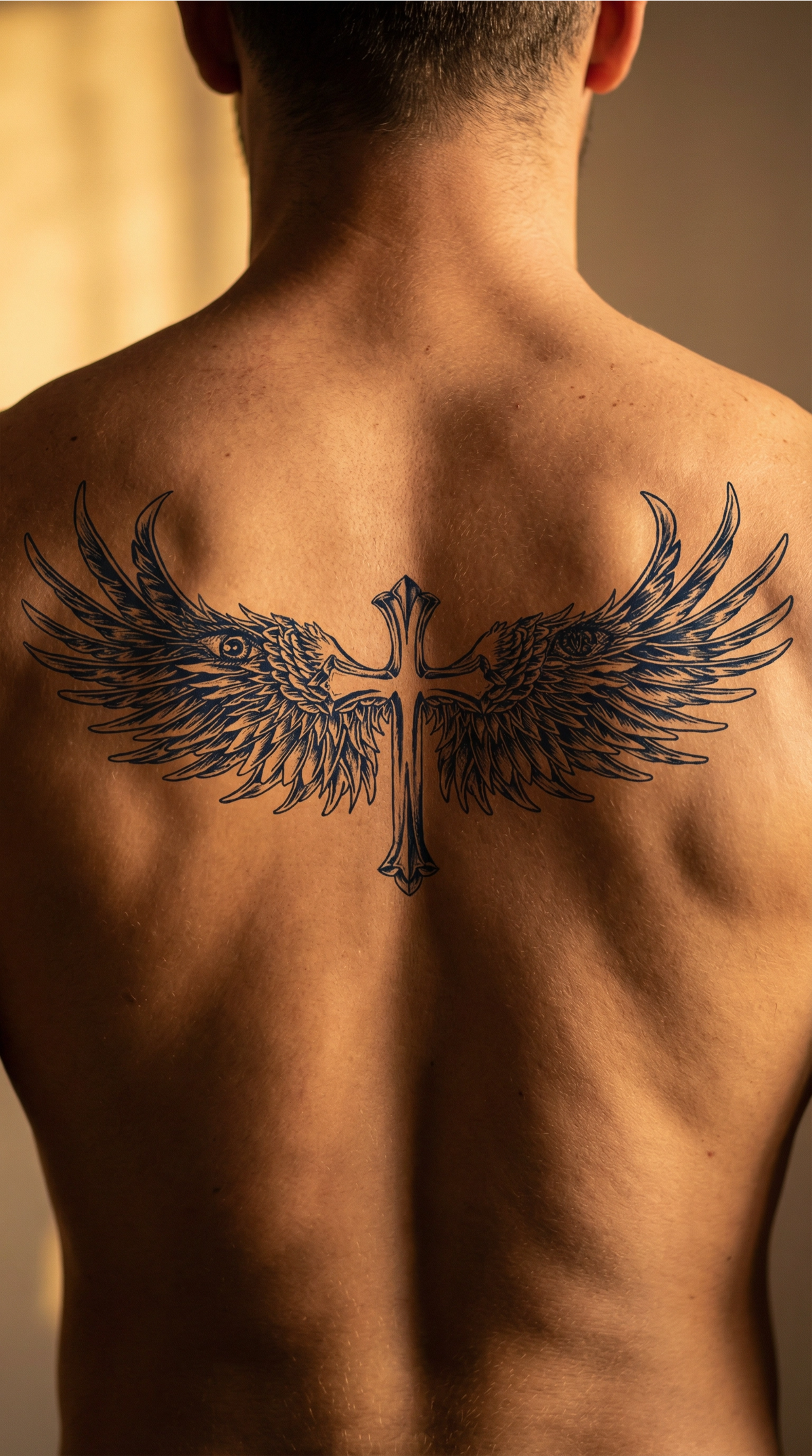
- Lower-friction placements, such as the inner arm, ribs, shoulder blade, and ankle, last longer than hands and fingers when sand and towels are part of everyday life.
- Pack the sheets flat and bring one or two extra designs, so you can reapply once during a longer trip.
Before your trip: when to apply the tattoo
The color of a semi-permanent InkLabs tattoo is light immediately after application and reaches its full, dark shade within about 24–36 hours, then gradually fades as the skin renews itself. That’s the reason behind the simplest rule of thumb for a beach trip: apply the design the evening before you leave rather than that same morning, so you arrive at the beach with an already darkened, even color instead of a tattoo that is still developing. The first 24–36 hours are also the period when hot water, saunas, and heavy sweating should be avoided, which fits better into a long day of travel than the first warm afternoon at your destination. If you want to see exactly how the application itself works, there’s a step-by-step walkthrough in the guide to applying a temporary tattoo at home; this article focuses on when in your travel schedule it’s best to do it. One simple way to reduce uncertainty further is to test the design on a less visible area of skin a day or two beforehand, before choosing a placement that will be visible throughout your vacation.
Tattoos, water, and sun at the beach
InkLabs describes the finish of its semi-permanent tattoos as resistant to water, sweat, and friction, even in areas such as the neck or under a sleeve, and the color sits in the uppermost layer of the skin, so it won’t wash off in the shower or during a dip in the sea once it has set. That’s different from calling the design waterproof under all conditions, and it’s worth keeping the two concepts separate before counting on the tattoo to withstand a full day of swimming without a second thought. Some designs also have their own instructions for the very first hours: for example, the product page for Metamorphosis asks the wearer to avoid getting the area wet for six hours immediately after application, while other designs don’t specify the same time period. So it’s worth reading the instructions for the specific design you’ve chosen before your first swim, rather than assuming the same rule applies to all designs.
Sunscreen and other cream- or oil-based products applied directly to the design will instead speed up fading, according to InkLabs’ own care guide. So the practical order is to apply sunscreen to bare skin first and let it absorb, then keep the tattoo area free of cream applied directly on top of it. Sand, towels, and tight swimsuit straps also wear down the design faster than the water itself, bringing up the question of placement, which the next section looks at in more detail.
Placements that hold up with a swimsuit and tank top
InkLabs’ care guide identifies lower-friction areas—the inner arm, ribs, shoulder blade, and ankle—as the places where a design lasts longest, while hands and fingers wear the color down faster. That difference becomes especially clear on a beach vacation, when sandals, beach bags, and towels are part of everyday life rather than the exception. An ankle or wrist placement looks great with sandals or a swimsuit and is also in an area that the product pages describe as less exposed to friction; Temporary Ankle Tattoos are a natural place to start looking if that placement suits your trip.

Discreet versus visible placements
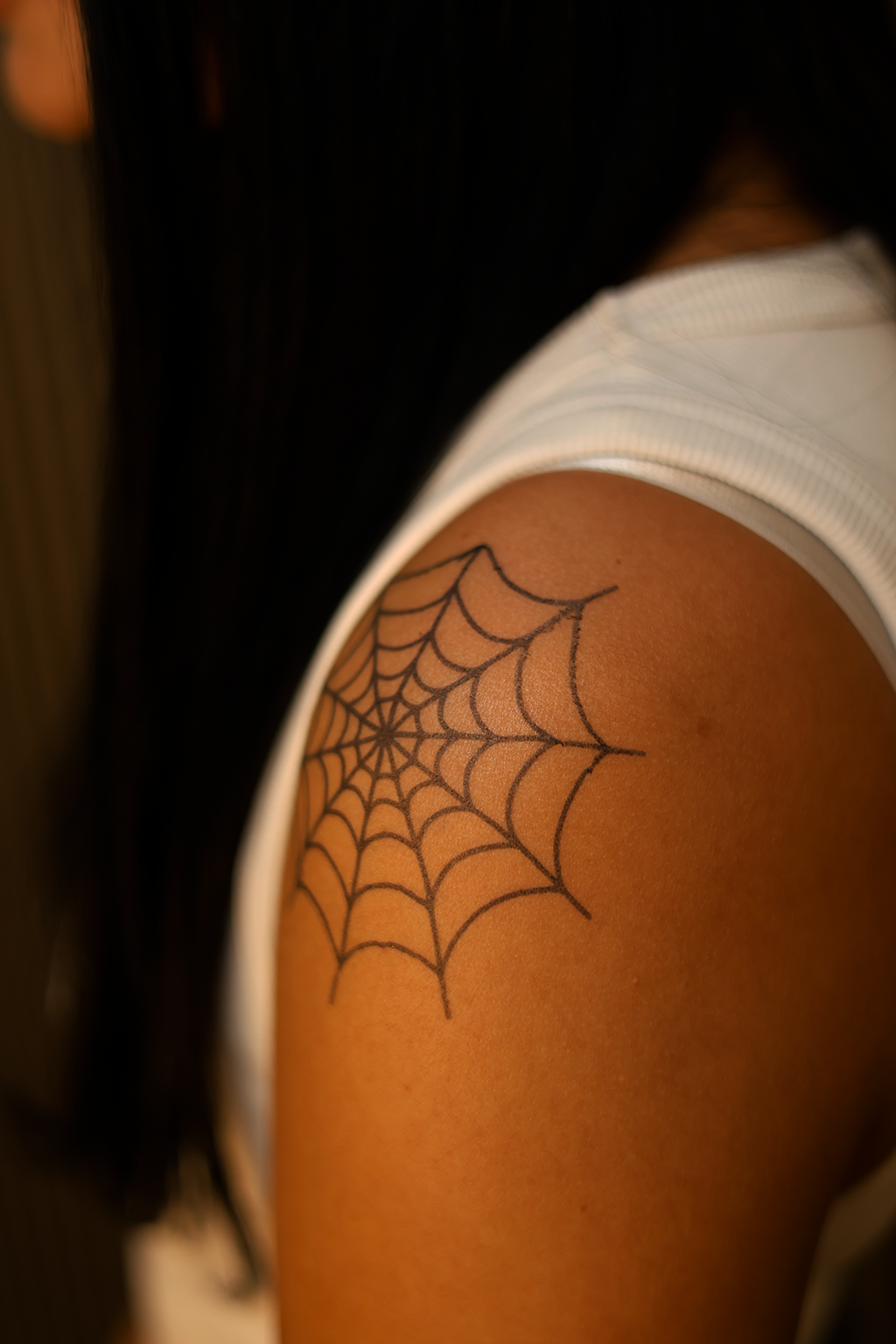
A collarbone or upper-arm placement works well with a tank top, but that area is exposed to more friction from straps than the ribs or shoulder blade, so it’s worth choosing a slightly smaller design there. Freedom, with its flying birds, is an example of a more illustrative design for anyone who wants an eye-catching feature rather than a discreet symbol. If you’d like to see more examples of how summer designs can be styled, the article about tattoos for festivals and summer covers styling more broadly than this guide.
Pack your tattoo kit properly
The sheets are flat and about postcard-sized, with each design measuring 5.5 × 5.5 centimeters according to the product pages. That means they travel best pressed inside a book, passport holder, or flat toiletry bag, rather than loose in a beach bag where heat and moisture can affect the adhesive before you’ve even had a chance to use it. Packing one or two extra designs covers a reapplication later in the trip, once the first has faded, without you needing to find a store at your destination. It’s also helpful to save the application instructions from the product page on your phone: exfoliate the skin, place the sheet sticky-side down, wet it with water, and hold it still briefly, so you don’t have to remember every step by heart while you’re on the go.
After your vacation: how the tattoo fades
By the time you’re home, most InkLabs semi-permanent designs have faded naturally within one to two weeks, since the product pages state that they last between 10 and 15 days depending on skin type, care, and where on the body the design is placed. Very hot water and harsh washing shorten its lifespan while you’re still on vacation, and the same caution applies afterward if you want the last of the color to disappear faster: the product pages recommend waiting for it to fade naturally or using a gentle exfoliation, rather than scrubbing the skin hard. The guide to caring for a temporary tattoo covers that in more detail for anyone who wants to keep a design for longer, even after the trip.
It’s worth remembering that a semi-permanent tattoo on a beach vacation is a way to try out the size, shape, and placement before making a possible permanent commitment. It says nothing about how a permanent tattoo in the same place would feel, heal, or look over time, and the two things should be kept separate when you assess how the trip went. If you’d like to explore which small designs could work for your next trip, there’s a wide selection in the Small Temporary Tattoos collection, and more in-depth product information about water resistance is in the article about water-resistant temporary tattoos for anyone who wants to read more before packing.